
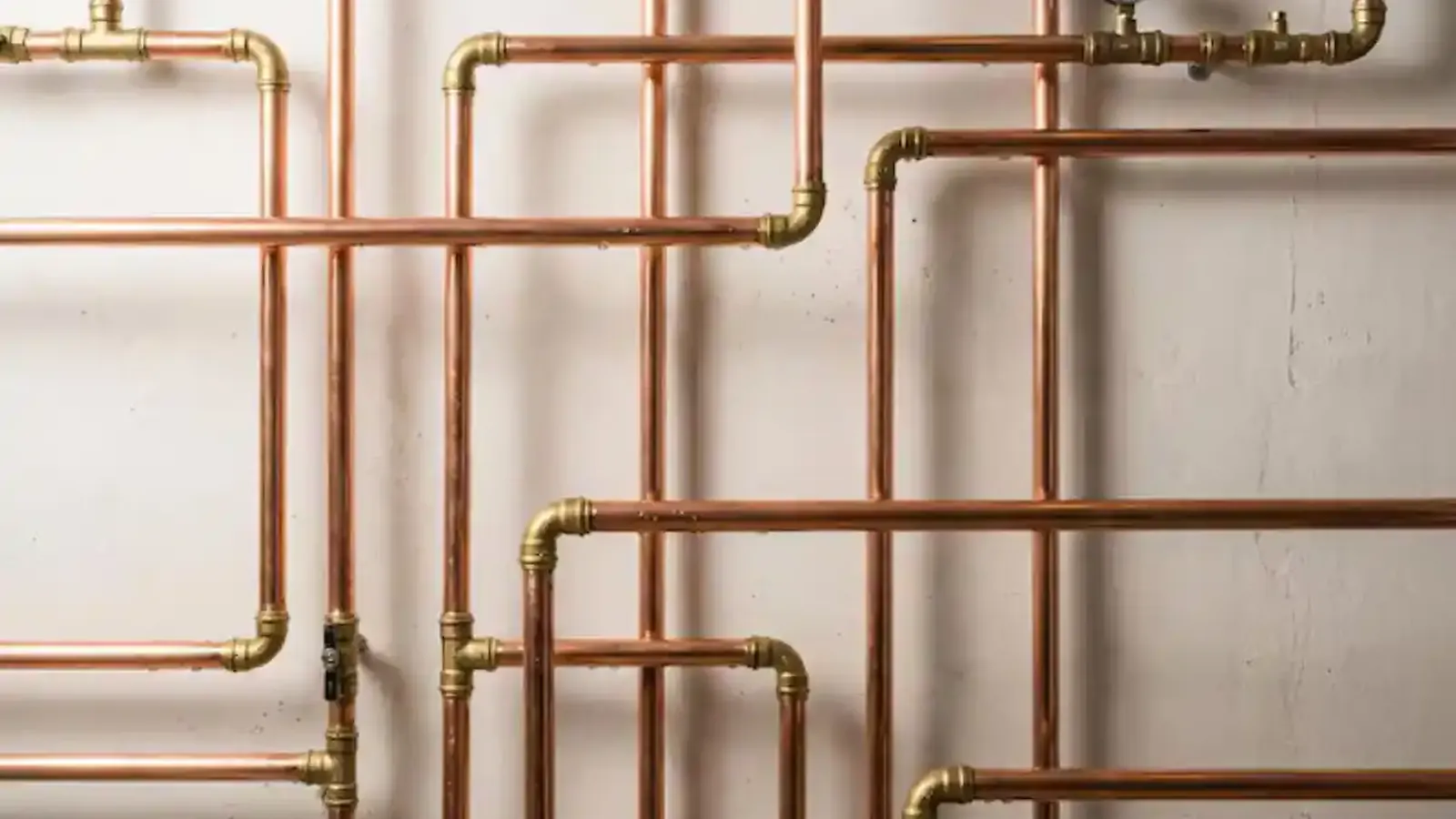
Repiping in Randolph, MA
Repiping in Randolph replaces the supply lines that carry water through the walls when they have worn out. Galvanized steel rusts shut from the inside. Old copper can develop pinholes. Either way, repeated leaks and weak pressure are signs that patching has stopped being worth it.
A plumber can often repipe a house in stages, so you keep running water and the walls are opened only where needed.
Signs your house needs repiping
- Pinhole leaks keep appearing. Each repair is quick, but a new leak shows up a few feet away.
- Rusty or brown water. Galvanized steel rusts from inside, and flaking rust can discolor the water.
- Low pressure at upstairs fixtures. Corrosion narrows the pipe until little water can pass.
- The pipes are galvanized or lead-soldered. These materials are past the end of their service life in most houses.
- Water bill creeps up. A hidden leak that has not shown on a wall may be running.
If a leak is active now, start with burst pipe repair or leak detection. Repiping is the longer-term answer.
Choosing the new pipe
| Material | Strength | Consideration |
|---|---|---|
| Copper. | Long service life and familiar to inspectors. | Higher material cost and more labor. |
| PEX. | Flexible, quick to install and freeze-tolerant. | Not for outdoor sun exposure or contact with certain chemicals. |
| CPVC. | Lower cost. | Can become brittle over decades. |
We explain why we would pick one for your house, and the permit and inspection steps apply to all of them.
Repiping an older Randolph house
The Massachusetts Historical Commission's survey describes Randolph's houses from colonial and Federal farmhouses to the Capes, bungalows and ranches of the postwar boom. Houses from before about 1960 may still contain galvanized steel in places. Some mid-century houses were copper from the start, and that copper is now over half a century old.
Randolph's soft water, at 39.6 ppm of hardness in the 2024 report, is gentle on scale but can be mildly aggressive toward copper. Pitting from the inside of copper is a pattern we see in houses with many repairs.
The Town's own services must be copper Type K from the street to the building, so the part of your water system that the Town regulates is built to last. The interior piping is up to the owner, and that is where repiping matters.
If your service line from the street is leaking, see water service line repair.
Leaks keep coming back?
Call and ask whether repiping makes sense for your house.
How a repipe is staged
Inspection and plan
We trace the supply and plan the routes with the fewest openings.
Permit
A licensed plumber pulls the permit, and the Randolph plumbing inspector is scheduled.
Rough-in
New lines are run through basement ceilings, closets and access panels first.
Cutover
The water is off for a short time while new lines are tied in.
Inspection and patching
The inspector checks, and small wall openings are closed or left ready for your drywall contractor.
What affects repiping cost
We quote the whole plan and a staged version so you can see both.
Want your real number? Call (508) 389-4045 and describe the job.
The code behind the work
New piping must meet the standards in 248 CMR 10.00, the Uniform State Plumbing Code, and the work is permitted and inspected before the walls close. A licensed plumber pulls the permit, and the inspector signs off on the finished job.
Repiping questions in Randolph
A magnet sticks to galvanized steel but not to copper. A plumber can identify the material in a few minutes.
A typical house takes a few days. Staged work can be spread over time.
Yes. Replacing piping is not a minor repair, and a licensed plumber pulls the permit and schedules the inspection.
Both work. Copper has a long record and PEX is faster and less disruptive. We recommend one based on your walls and budget.
No. Staged work keeps most of the water on, and the shutoff is for the cutover only.
If a pipe has burst, we repair it first. The permanent repipe is planned afterward.
Still unsure which fix fits? A dispatcher can talk it through on the 24/7 line at (508) 389-4045.