
Does Coconut Oil Clog Drains? A Randolph, MA Plumber Answers
Yes, coconut oil can clog a drain, and it does it more reliably than most oils. It melts at about 76 degrees Fahrenheit, which means it is liquid in a warm pan and a solid wax in a cool pipe.
This guide explains how it clogs, why hot water does not solve it and what to do with oil, whether you cook with it or use it in the bath.
Why coconut oil is worse than most oils
Coconut oil is high in saturated fat, which is why it is solid on a cool shelf. Many cooking oils stay liquid at room temperature. Coconut oil does not, and the temperature of a drain pipe in a basement is usually well below its melting point.
When you pour warm coconut oil down a drain, it travels a few feet while it is still liquid and then cools. As it cools it turns solid and coats the pipe wall. The next oily dish adds another layer, and soap and food bits stick to it. Over weeks the pipe narrows to a fraction of its width.
Why hot water does not help
Hot water melts the oil for a few seconds and pushes it farther along. It solidifies again where the pipe cools, which is often past the trap and out of reach.
Why it matters in older pipes
Rough cast iron and clay pipe hold grease more than smooth plastic. Many Randolph homes have older drains that are less forgiving.
Oils and fats compared
| Fat or oil | State at a cool room temperature | Drain risk |
|---|---|---|
| Coconut oil. | Solid. | High. |
| Bacon grease and lard. | Solid. | High. |
| Butter. | Solid. | High. |
| Olive oil. | Liquid. | Moderate, it still coats and mixes with food waste. |
| Vegetable oil. | Liquid. | Moderate. |
| Bath oils and balms. | Often solid. | Moderate in a tub drain. |
Even oils that stay liquid are not safe for the drain. They cling to pipe walls and bond with food particles and soap.
What to do with cooking oil and fat
Let it cool
Do not pour hot fat into any container that could melt.
Pour it into a jar or can
An old metal can or a glass jar works. Put the lid on.
Wipe pans with paper towels
Wipe out the pan before washing and put the towel in the trash.
Dispose of it in the trash
A sealed container can go in the household trash.
Ask about town collection
Check with Randolph's DPW for local rules on cooking oil and recycling.
Kitchen drain backed up?
Stop using water and call the 24/7 line.
Bathroom use: coconut oil as a skin or hair product
Coconut oil is popular for skin and hair. In the shower or bath, it rinses off in small amounts, mixing with soap and water. Small amounts are less of a concern than a cup of cooking oil, but they add up in a drain that also holds hair.
If you use oil in the bath, wipe the skin with a towel first, and use a hair catcher on the drain. A drain with hair and oil together clogs faster than either alone. If your tub drains slowly, our drain cleaning team clears it with a small cable.
What Randolph's own rules say about the sewer
Randolph's water regulations treat connections between drinking water and sewer or drain piping as cross-connections, and the Town sets penalties for illicit connections. That rule is about plumbing connections, not cooking oil. Still, the principle is the same, that what enters the public system affects everyone on it.
For a blockage in the town's sewer main, call DPW's Sewer line at 781-961-0941. A blockage inside your property line is yours to clear.
Source type: Town of Randolph Water Regulations and DPW pageSigns a grease clog is forming
- The kitchen sink drains slowly and the problem returns. Grease builds a layer that cables punch through but do not clean.
- There is a greasy smell from the drain. Rancid fat and food residue in the pipe.
- The water pools around the drain after a dishwasher cycle. The kitchen line is narrowing.
- A cable clears the clog and it returns within weeks. The pipe wall still has a layer of grease.
When a plumber helps
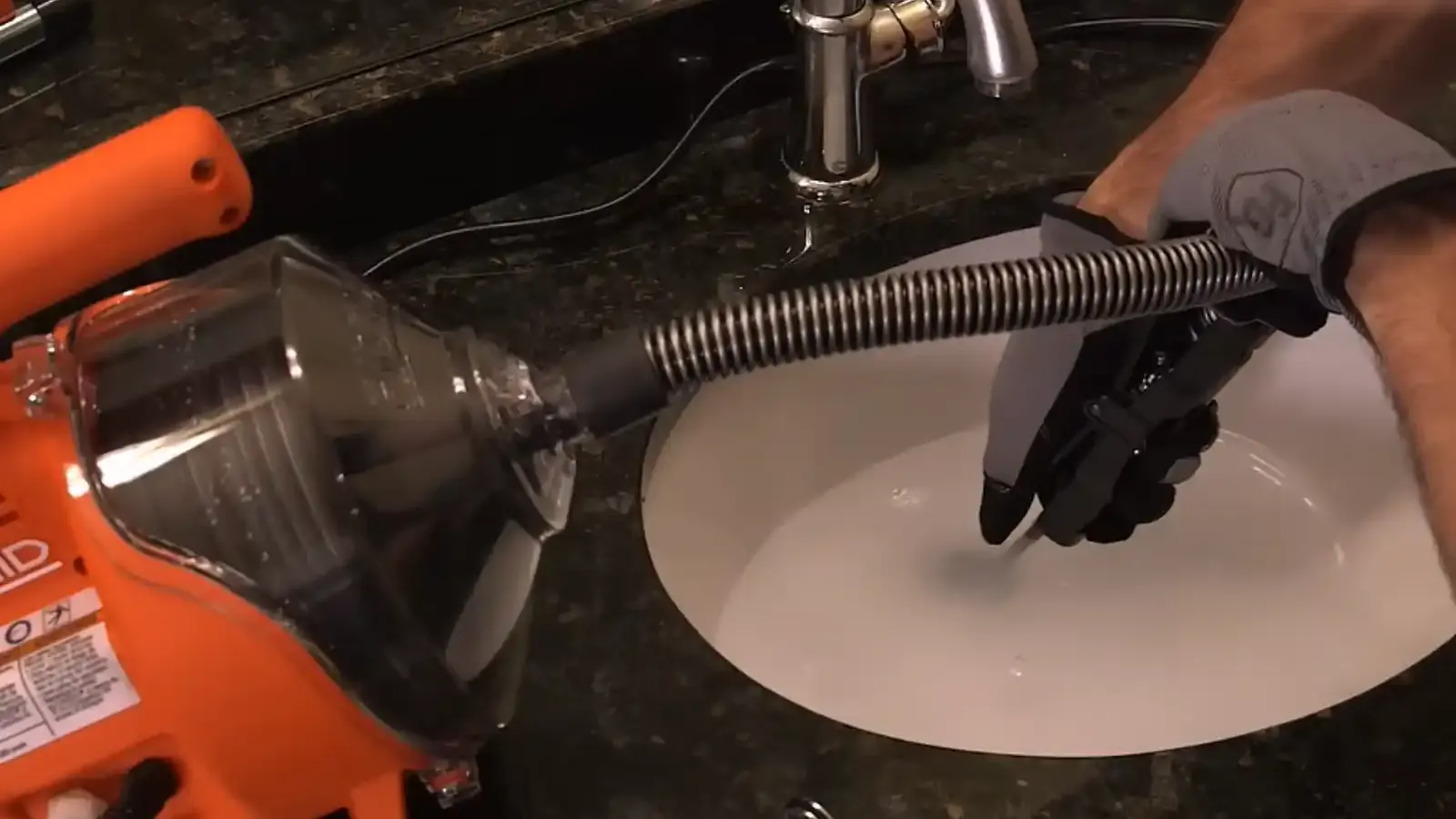
A cable clears a path, and hydro jetting scours the pipe wall of grease. If your kitchen drain has clogged more than once, jetting is usually the lasting fix. For the main line that serves the whole house, see sewer line cleaning.
We serve Canton and Braintree kitchens too, as described on the Canton and Braintree pages. If sewage is coming up right now, stop using water and call the 24/7 line.
Cooking oil habits that protect the pipe
Most households use several kinds of fat in a week, including butter, bacon grease, olive oil and coconut oil. Treat all of them the same way. Let the pan cool, wipe it with a paper towel and put the towel in the trash. Pour larger amounts into a sealed container and bin it.
A small strainer in the sink catches food scraps that would otherwise travel down the line and mix with grease. Soap and hot water in the dishwasher also carry grease along the pipe, so even careful hand-washing leaves some behind. That is why kitchen lines need occasional cleaning even in households with good habits.
If you have a kitchen line that clogs repeatedly, a camera visit shows how much grease is on the wall. If the buildup is thick, jetting resets the pipe, and then habits keep it clean.
What to do if the drain is already slow
If a kitchen drain is already slow, avoid pouring more fat or harsh chemicals into it. Run hot tap water for a minute, then try a plunger with a good seal. If it clears, you were lucky. If it returns within days, the grease is probably farther down the line, where a plunger cannot reach.
That is the point to call for drain cleaning. A cable or a jet clears the buildup, and a camera shows how much remains on the pipe wall. A pipe that is scraped clean and then protected by good habits can stay clear for years.
Coconut oil and drain questions from Randolph homeowners
One small amount will not clog a drain, but habits add up. Wipe it out and bin it.
It moves the oil along without removing it. The oil solidifies farther down.
Soap helps break it up for washing, but in a pipe it can combine with oil to form a hard soap scum.
It begins to harden below about 76 degrees Fahrenheit.
No. A disposal grinds food, not oil, and the oil flows to the same pipe.
Still unsure which fix fits? A dispatcher can talk it through on the 24/7 line at (508) 389-4045.